Therapy for Veterans in
Boulder, CO
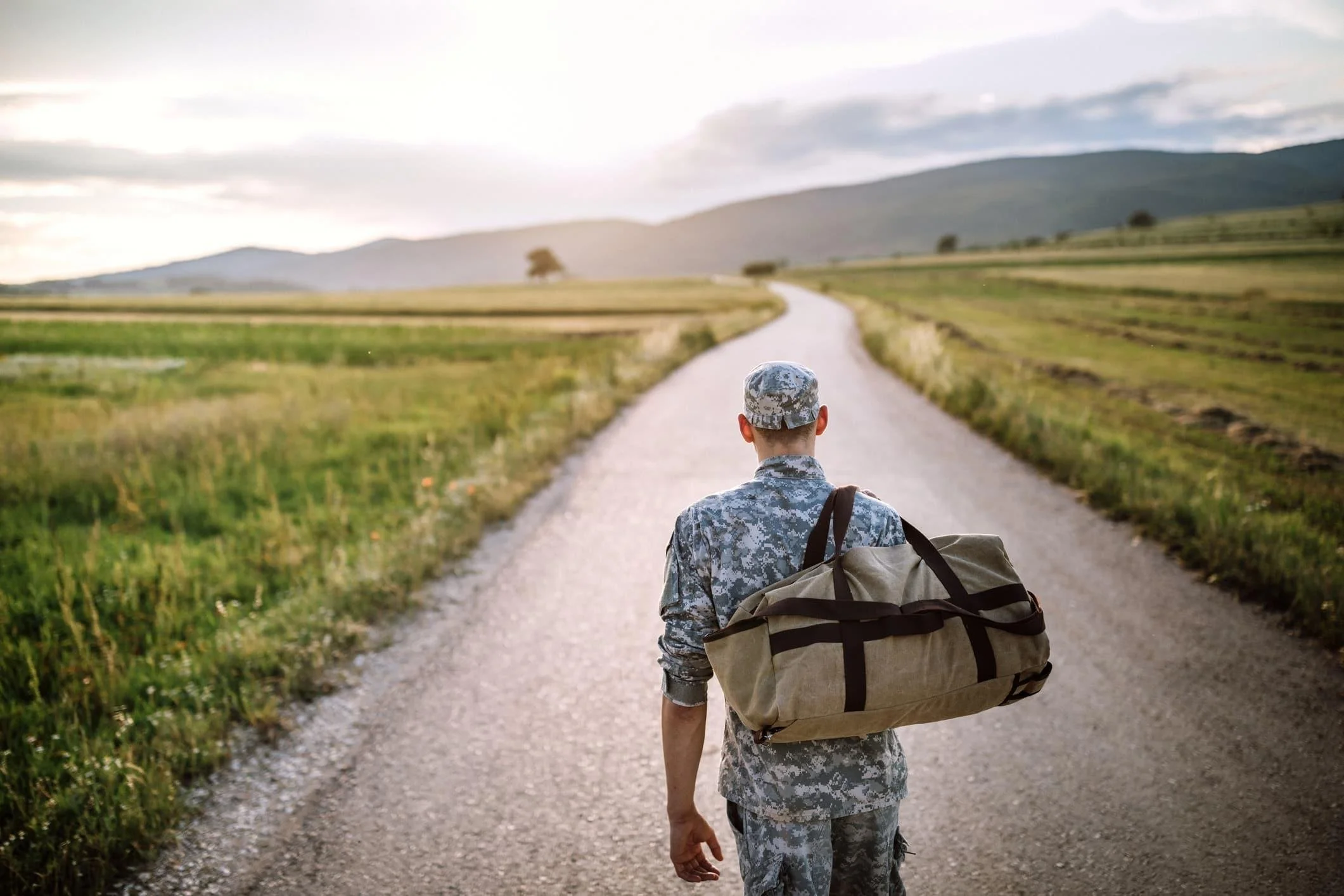
From service to civilian life
Transitioning from military service to civilian life can be one of the most profound and challenging transitions you may experience. The military cultivates discipline, mission focus, resilience, and deep bonds with fellow service members. At the same time, military experiences—especially combat deployments—can expose you to stress, trauma, and life experiences that most civilians never encounter.
In my work providing therapy for veterans, I often see how important it can be to have a space to process these experiences and build a fulfilling life after service.
I spent nearly 20 years working in the U.S. Department of Veterans Affairs, providing VA therapy to help veterans navigate challenges related to PTSD, substance use, depression, and serious mental illness. During that time, I worked closely with service members and veterans from every branch of the military across multiple generations of conflict. I currently continue this work as the Director of Training and Education with the Heroic Hearts Project, helping expand access to psychedelic healing for veterans.
My experience providing VA therapy has deeply shaped my approach to counseling for veterans. I understand military culture, including the importance of rank and chain of command, the meaning of mission and duty, and the unique bonds formed between service members. I approach this work with deep respect for the strengths that military service builds, while also recognizing the real challenges that can arise during and after service.
Whether you are seeking therapy for trauma, depression, substance use, relationship challenges, or life transitions, I provide a structured and supportive space to work toward healing and growth.
A military-informed approach to therapy
I approach therapy for veterans in a way that understands and respects military culture rather than pathologizing it.
I recognize that military identity is often a source of pride and strength. You were trained to operate under pressure, work as part of a team, and maintain discipline in the face of adversity. These qualities are assets that we can build on in therapy.
I also know that many veterans value clarity, direct communication, and structure. In my counseling for veterans, I prioritize being transparent and collaborative about goals and treatment strategies.
Finally, I understand that military service is deeply relational. The bonds formed through shared mission and hardship are powerful, and I often incorporate attention to community, peer connection, and relationships into our work.
My goal is to create an environment where you feel understood and respected—whether you are seeking individual support or marriage counseling for veterans.
Have questions? Send me a message!
Building trust and engagement
One of my first priorities in therapy for veterans is building trust. I know many veterans approach therapy with understandable skepticism.
You may wonder whether a civilian therapist will truly understand your experiences in the military. You may feel concerned about appearing vulnerable or unsure whether therapy will help—especially if you’ve had frustrating experiences navigating large systems like the VA.
In therapy for soldiers, I address these concerns openly. I am transparent about confidentiality and how the process works from the beginning. We collaborate on goals and move at a pace that feels manageable.
You may have been trained to rely on discipline, control, and stoicism. I don’t see these as problems to eliminate. In counseling for veterans, I help you expand your range of tools so you can navigate stress, relationships, and emotional challenges more effectively.
PTSD and Trauma Exposure
Many people come to therapy for veterans to work through trauma-related symptoms. Combat exposure, life-threatening situations, and loss can have lasting effects.
You may experience:
Hypervigilance
Sleep disturbance
Irritability
Intrusive memories
Avoidance
In my counseling for veterans, trauma work is always collaborative. We begin by building skills for emotional regulation and stress management before moving into deeper processing.
I also provide education about how the nervous system adapts to combat environments. Many veterans remain in a heightened state of alertness long after leaving service. Therapy can help your system learn that you are now safe.
Helping you move forward with:
-
In addition to PTSD, I often work with veterans experiencing moral injury.
Moral injury can arise when you feel you have violated deeply held values or witnessed events that challenge your sense of right and wrong.
In therapy for veterans, you may be working through:
Actions taken under orders that conflict with your values
Witnessing harm to civilians
Loss of fellow service members
Survivor guilt
These experiences can lead to powerful feelings of guilt, shame, or spiritual distress.
In counseling for veterans, I address moral injury through approaches such as narrative reconstruction, values clarification, and self-forgiveness work. When it fits for you, we may also explore spiritual or existential perspectives.
My goal in therapy for soldiers is not to erase the past, but to help you develop a more compassionate and integrated understanding of your experiences.
-
Leaving the military often involves a major shift in identity. During service, life is structured around mission, unit cohesion, and clearly defined roles.
In civilian life, that structure can disappear.
In my work providing therapy for veterans, I often help clients navigate:
Loss of purpose or mission
Difficulty translating military skills into civilian careers
Feelings of isolation
Relationship strain
Loss of camaraderie
Together, we explore identity reconstruction—who you are now beyond your role in the military.
In counseling for veterans, I help you identify strengths developed during service—leadership, discipline, teamwork, resilience—and apply them to meaningful civilian roles.
-
Substance use is often part of how veterans cope with stress, trauma, or sleep challenges.
In therapy for veterans, I approach substance use without judgment and with a focus on understanding its function in your life.
In therapy for soldiers, we may use approaches such as:
Motivational interviewing
Harm reduction strategies
Abstinence-based approaches (if that aligns with your goals)
We also work to address underlying stressors and develop alternative coping strategies.
When appropriate, my counseling for veterans may include collaboration with medical providers to explore medication supports.
-
Many veterans experience increased irritability or anger after deployment. These responses often reflect adaptations that were necessary in high-risk environments.
In therapy for veterans, I help you understand how your nervous system has been shaped by prolonged stress.
Therapy for soldiers may include:
Education about the stress response
Cognitive strategies to shift rigid or threat-based thinking
Techniques for regulating intense emotions
Somatic grounding and breathwork
We work on helping you distinguish between situations that require high alertness and those that do not.
-
Military service can place significant strain on relationships. Deployments, relocations, and the emotional impact of service can affect both partners.
I provide marriage counseling for veterans and couples therapy tailored to military families.
In marriage counseling for veterans, I focus on:
Strengthening communication
Rebuilding trust
Increasing mutual understanding
I also recognize that partners of veterans often carry their own stress and challenges. Therapy provides a space to work through these dynamics together.
A strength-based path forward
I believe that veterans bring resilience, discipline, and courage into the therapy process. These strengths do not disappear after service—they remain powerful resources.
In my work providing therapy for veterans, I focus on helping you build on those strengths while addressing the challenges that may arise.
With nearly two decades of experience providing VA therapy, I bring both clinical expertise and deep respect for those who have served.
Whether you are seeking therapy for soldiers, counseling for veterans, or marriage counseling for veterans, I offer a structured and supportive environment to help you move forward with clarity, resilience, and renewed purpose.
Therapy for veterans posts

Therapy for Veterans in Boulder, CO
2401 Broadway St.
Boulder, CO 80304
Online and In person Sessions Available