
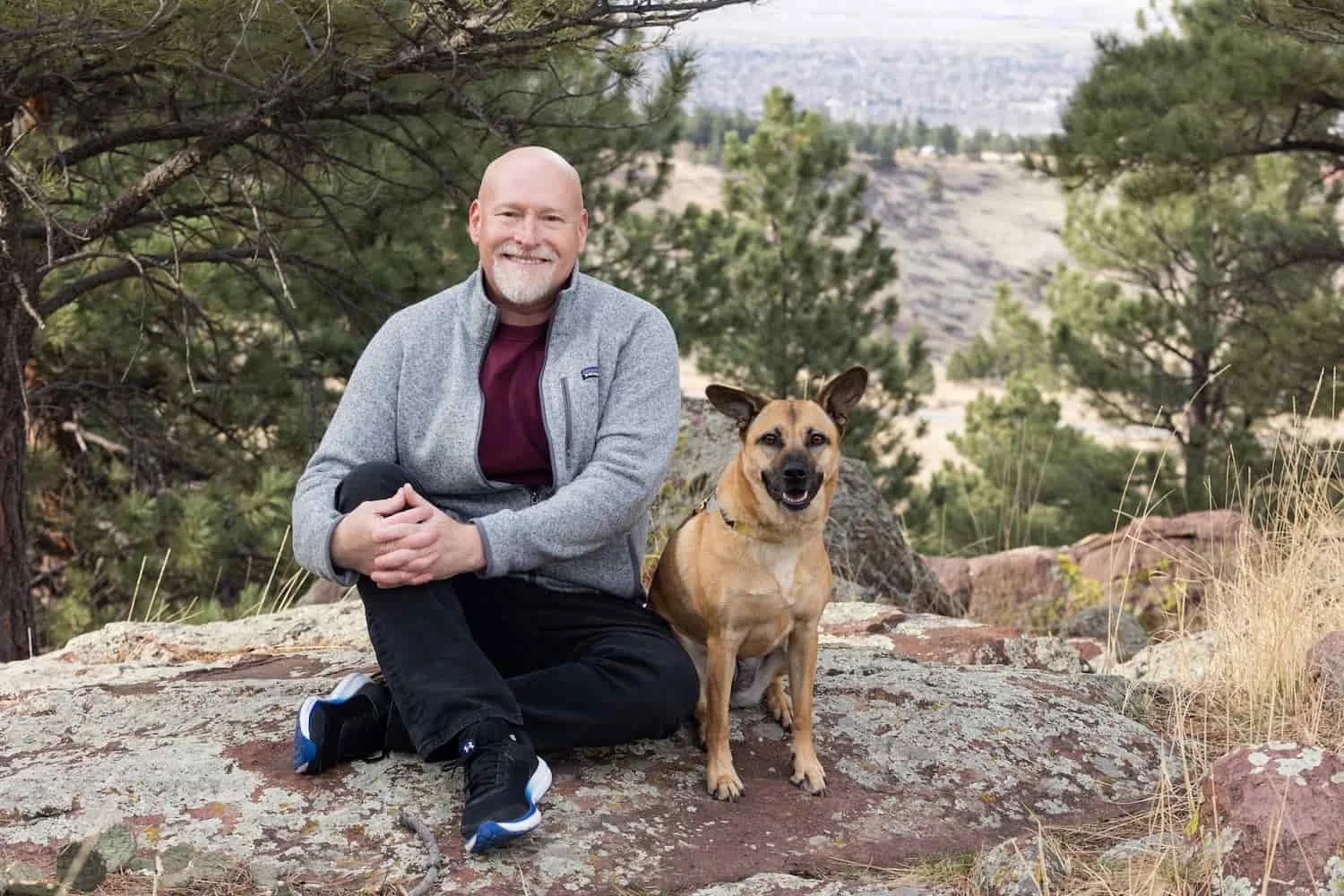
About Ken Weingardt, PhD
Psychotherapy can be many things to many people, but I believe that it all comes down to three deceptively simple things:
Achieve Clarity about what is driving your behavior. Develop insight into the conscious and unconscious motivations that may be getting in your way
Build Courage to face what has been avoided. Insight is just the first step. You then have to learn how to move towards the things you are afraid of.
Make Changes that are deliberate and sustainable. This is the key to building a life worth living.
Throughout my career, I’ve worked at the intersection of substance use, trauma, identity, and transformation. Time and again, I’ve seen that what gets labeled as addiction, anger, avoidance, or self-sabotage is often an understandable way of coping with difficult experiences. My role is to help people understand those patterns clearly, respond to themselves with less shame, and create new possibilities for change.
My Approach
My style is active, collaborative, and grounded in evidence-based psychotherapy. I draw from motivational interviewing, cognitive and behavioral therapies, trauma-informed approaches, and contemporary research on behavior change and emotional regulation. I also integrate emerging science around psychedelic-assisted therapies, particularly in the areas of preparation and integration.
I practice from a harm reduction philosophy. That means I do not impose abstinence, spiritual frameworks, or rigid recovery models. Instead, we clarify your goals and work strategically toward them. For some clients, that means moderation. For others, abstinence. For others still, it means understanding how trauma, identity stress, or performance pressure has shaped their coping strategies.
-
Working with veterans and individuals exposed to high-intensity environments has been a meaningful part of my professional journey. Military service, leadership roles, and other high-responsibility positions often require compartmentalization, suppression, and endurance. Those strategies can be adaptive in context — and costly over time.
I approach trauma work with respect, structure, and clarity. We move at a pace that balances courage with nervous system regulation. Strength is not the absence of vulnerability; it is the capacity to face difficult material with support.
-
Therapy should be a place where identity does not have to be defended, explained, or minimized. I provide affirming therapy for LGBTQIA+ clients navigating identity development, relationship dynamics, and the impact of stigma or discrimination. Affirming care, to me, means recognizing the real psychological burden of living in environments that may not fully validate your experience.
-
Many of my clients are reevaluating their relationship with alcohol or other substances. Some identify with the word “addiction.” Others don’t. What matters less to me is the label and more the function the substance is serving in your life.
We look at patterns without moral judgment. We examine triggers, emotional regulation, reinforcement cycles, and the broader life context in which substance use developed. The goal is not simply stopping a behavior, it’s building a life that doesn’t require escape.
-
As interest in psychedelic-assisted therapies grows, many individuals are seeking grounded, psychologically informed support. My approach to psychedelic work is clinical and evidence-based. I am not a shaman or spiritual guide. Instead, I help clients prepare intentionally, clarify expectations, and integrate experiences in ways that translate insight into lasting behavioral change.
Education and Training
I hold a Doctorate in Clinical Psychology from the University of Washington. My clinical training included work in VA hospitals and community mental health settings with particular emphasis on trauma, substance use, and evidence-based interventions. I was a professor in psychiatry at Stanford and Northwestern Universities where my research focused on helping clinicians learn how to implement new therapies in real world settings.
In addition to my formal education, I have pursued advanced training in motivational interviewing, trauma-focused therapies, and emerging psychedelic-assisted treatment models. I remain engaged with current research and continuing education to ensure my work reflects the evolving science of behavior change and mental health.
I am licensed as a Psychologist and Natural Medicine Facilitator in the state of Colorado and provide therapy in accordance with professional and ethical standards of care.